
Expert Insights
Explore by topic: College Admissions Strategy · Deep-Fit™ Admissions · Engineering & STEM · Computer Science · College Success & Academic Recovery

When a Student Says, “I Want to Study Engineering”: Five Questions Every IEC Should Ask
Originally published in the Spring 2026 issue of IECA Insights, this article explores five questions every counselor and family should consider when a student says, “I want to study engineering”: How informed is the student’s interest? How much flexibility will they need if their interests evolve? Does the student have the preparation and motivation needed for a demanding engineering curriculum? In what kind of engineering environment is this student most likely to thrive? And how competitive is this student as an engineering applicant?

Engineering vs. Computer Science: How Students Decide Between These Majors
Engineering or computer science? This guide helps families move beyond simplified comparisons to understand how students choose between these paths—based on how they think, their interests, and the environments where they will thrive. Drawing on my experience as an engineer, computer science professor, and engineering dean—and my own path navigating this decision—I offer a thoughtful framework for making this choice.

The Complete Guide to Engineering College Admissions: How to Apply as an Engineering Major
Engineering college admissions require more than strong grades and test scores. From choosing the right discipline to understanding ABET accreditation, writing engineering essays, and building a balanced college list, this complete guide walks you through every stage of applying as an engineering major. Written by an engineer and dean in a School of Engineering, it reflects over 30 years of firsthand experience.

Best Colleges for Computer Engineering: How to Find the Right Fit Beyond the Rankings
Computer engineering programs can look similar on paper but differ significantly in how students learn, build, and grow as engineers. This guide explains what actually distinguishes strong undergraduate computer engineering programs and how to find the right fit beyond rankings.

Best Colleges for Mechanical Engineering: How to Find the Right Fit Beyond the Rankings
Mechanical engineering is one of the most versatile engineering majors, but not all programs deliver the same undergraduate experience. Learn how to evaluate mechanical engineering programs based on teaching model, environment, and fit — not rankings.
Best Colleges for Aerospace Engineering
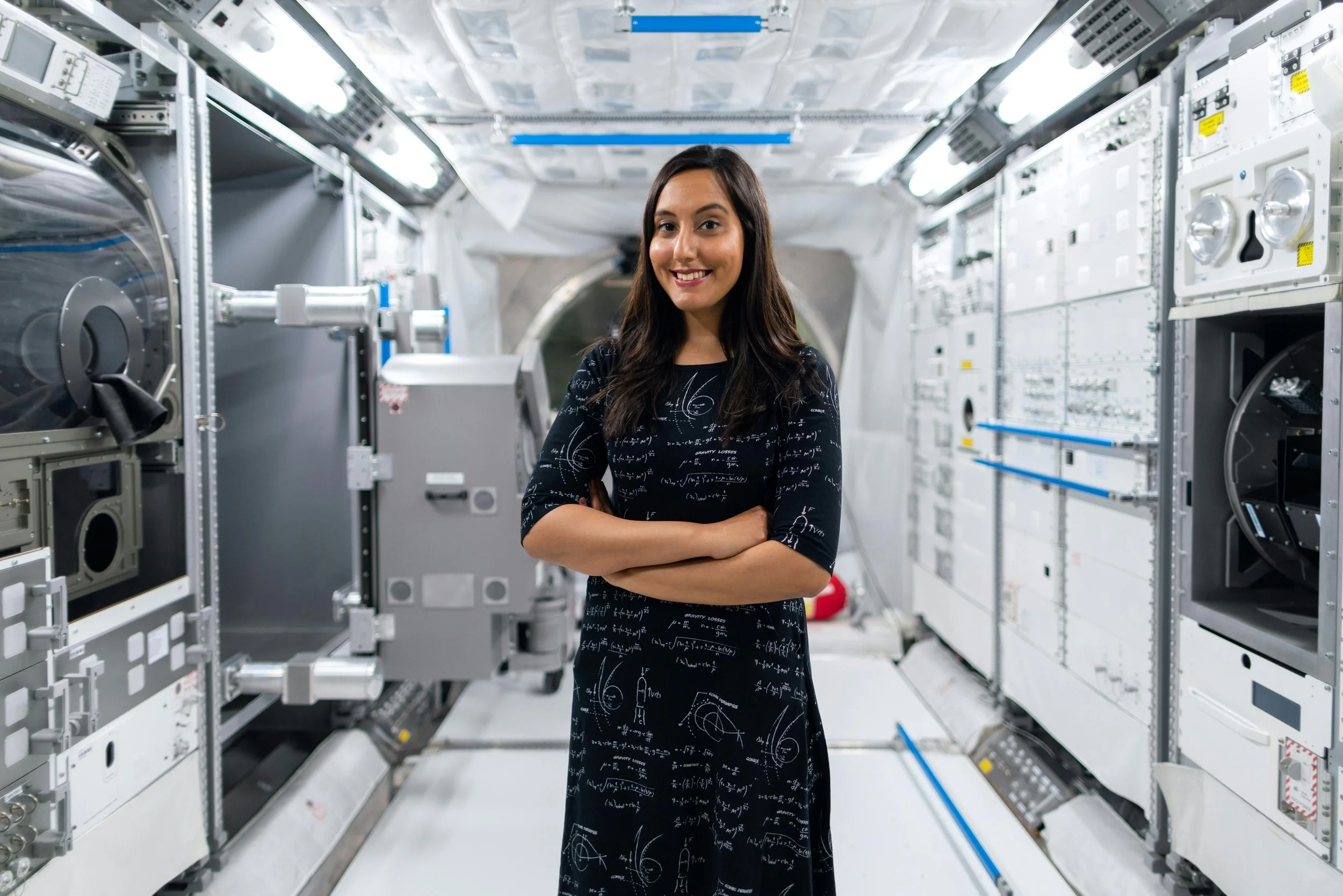
Not all aerospace engineering programs are created equal—and the best choice isn’t always the most famous name. This article breaks down what makes a strong aerospace program, showcases standout schools across a range of environments, and explains how to find a program that truly fits how a student learns and builds as an engineer.

Underrated Engineering Colleges: Exceptional Programs Beyond the Rankings
Many outstanding undergraduate engineering programs are overlooked because they’re small, specialized, or teaching-focused rather than research-driven. This guide highlights 24 underrated engineering institutions offering exceptional preparation, hands-on learning, and strong outcomes beyond the rankings.

Small Colleges to Study Engineering: Why Size Isn’t a Disadvantage
Many families assume engineering only happens at large research universities. But some of the strongest undergraduate engineering experiences take place at small colleges built around teaching, mentorship, and hands-on learning. This article explores why size isn’t a disadvantage in engineering—and how to identify whether a small, undergraduate-focused program is the right fit.

Expert College Counseling For Your STEM Student—From Two Engineers Who "Speak Geek"
We speak geek — and it makes a real difference. With deep roots in engineering and computer science, we help STEM students find their voice, tell their story, and discover colleges where they’ll thrive.

Which Type of Engineering Degree Is Right for You? A Guide to Engineering Majors—from Aerospace to Mechanical to Biomedical
Curious about engineering but not sure which path fits you best? This guide breaks down every major—from aerospace to mechanical to biomedical—and helps you discover which type of engineering aligns with your strengths, curiosity, and goals. Learn how to explore options, choose the right program, and find your best-fit in engineering.

How Liberal Arts Engineering Degrees Prepare Students for an AI Future
As artificial intelligence reshapes the job market, what kind of education truly prepares students to thrive professionally? This article explores how liberal arts engineering programs—rooted in technical rigor and humanistic inquiry—build “AI-proof” skills like ethical reasoning, adaptability, and communication, with concrete examples and guidance for families seeking forward-looking, purpose-driven programs.

What Classes Should You Take If You Are Applying For An Engineering or Computer Science Major In College?
A high school student’s classes and grades are the foundation of their college application, regardless of the intended major. No other application component will even be considered if a student does not have strong grades in a rigorous academic program. If you have to pick and choose where to extend yourself for rigor, CS- and engineering-interested students should lean into the STEM areas.

How to Write a Standout College Essay for Engineering Applications
Applying to college as an engineering major? In a competitive engineering admissions pool, your personal statement can distinguish you beyond grades and coursework. Learn how to choose a strong topic and write a standout engineering essay.

For CS and Engineering Students: The Deep-Fit Admissions Advantage
Answering these types of questions will position students to make Deep-Fit applications so they stand out in the overcrowded CS and engineering application pool, shining above other talented students with similar grades, courses, test scores, and activities who have not shown that they are a Deep-Fit.

Navigating the College Search for the Undecided STEM Student
It is common for high school and new college students to be undecided about what they want to major in during college. In this piece, I share my expertise for guiding the student who enjoys math and science but is uncertain whether they want to study math, science, or engineering: the undecided STEM student.

Talking Engineering Admissions on the College and Career Clarity Podcast
The podcast is a must-listen for anyone interested in engineering admissions, particularly parents whose children are interested in pursuing engineering as a major in college. Lisa and I discussed the pros and cons of universities versus colleges (and how each might work better for your student), how to review your student’s college list, using experiences and extracurricular activities to understand what careers and majors fit, and college and major flexibility for different engineering degrees.

Illuminating Your Path to an Engineering Major and Career
When a high school student comes to me for help to apply to college to study engineering, my first step is to get a sense of how clear their interest is. Are they interested in one specific field of engineering, and if so, what is the basis for this interest? If not, are there different types of engineering that they are considering and why?

For Aspiring Engineers: Understanding the Value of ABET Accreditation
An ABET-accredited program has met rigorous standards through a formal intensive review process, including ongoing self-study and periodic evaluation by academic, government, and industry experts. With its focus on specific learning outcomes and program improvement, ABET provides a standard for high-quality engineering programs.

Preparing for an Engineering Career: A Conversation with Dr. Rob Playter, CEO of Boston Dynamics
What does it take to build a successful engineering career? In this conversation with Boston Dynamics CEO Rob Playter, we explore how passion, technical rigor, and intellectual curiosity shape long-term success in engineering.