
The Transition to College: Why the First Year Is More Challenging Than Many Students Expect
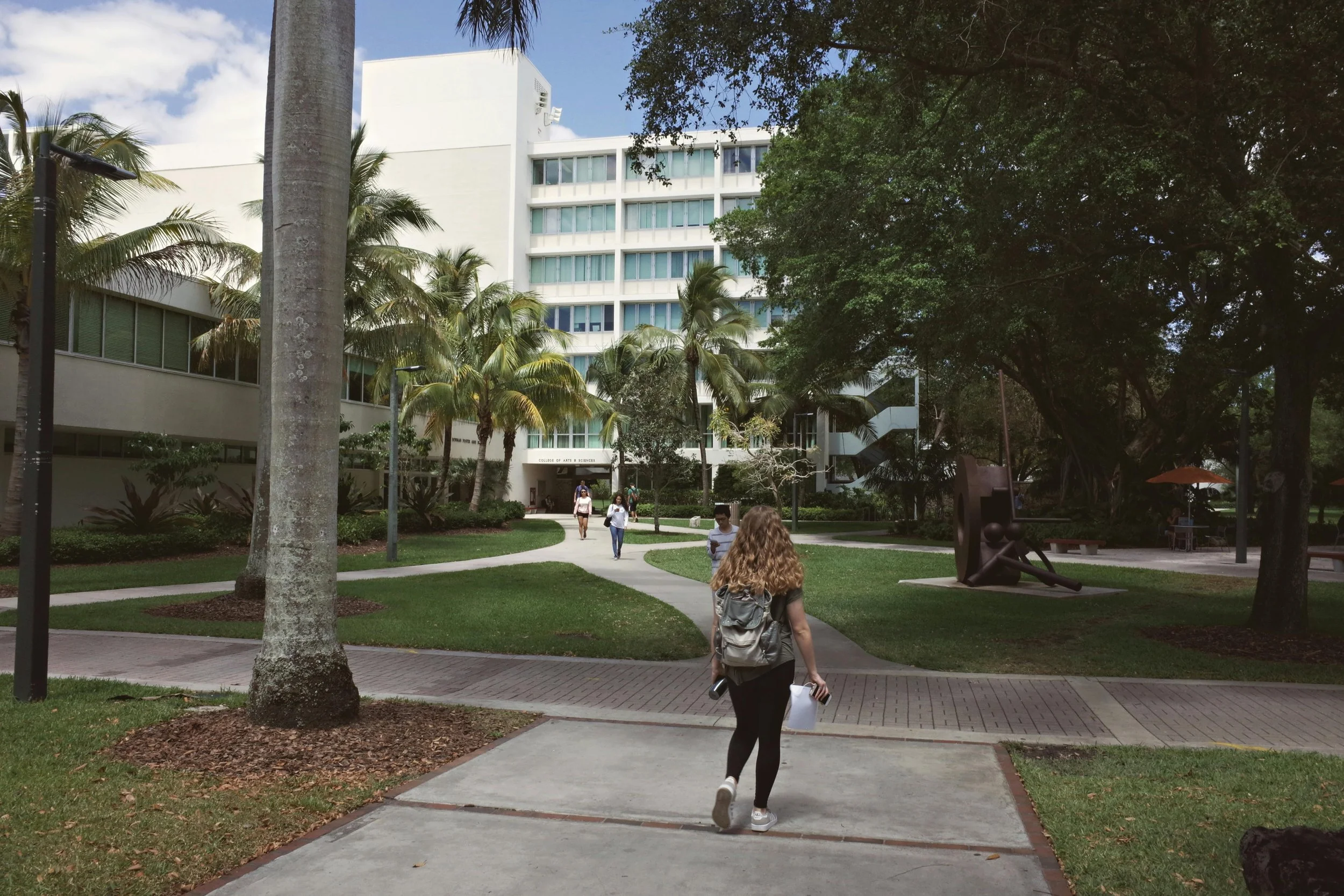
For many students and families, college admissions feels like the finish line.
After years of hard work—classes, activities, testing, applications—the moment of acceptance brings a sense of arrival. The goal has been achieved. The hard part is over.
But with decades of experience working with college students across every stage of the college journey—as professors, advisors, deans, and college success coaches—we view this moment not as an end, but as a beginning. Many families reach this point and realize that while their student was well prepared for admission, the transition to college brings a new set of expectations—academically, socially, and personally.
Some students adjust to this shift on their own. Others benefit from more structure and guidance as they learn how to navigate this new environment.
Table of Contents
The Transition to College: What Changes and Why It’s Challenging
The transition to college brings new expectations for how students learn, manage their time, and take responsibility for their education.
Getting In Is Not the Same as Succeeding
Admission to a college does not guarantee how a student will experience that college—or how they will develop once they arrive.
Admissions is a selection process based on how students have performed in a structured, highly supported environment with clear expectations, frequent feedback, and built-in accountability.
College operates differently.
Students enter a system defined by independence, ambiguity, and far fewer external structures—including a shift away from the day-to-day involvement of parents and teachers. They are expected to manage their time, navigate challenges, and make decisions with much less guidance than they have typically experienced before.
The skills that lead to admission do not always translate into success in college. This is why even accomplished students may encounter difficulty when they arrive on campus.
Why the First Year of College Is More Challenging Than Expected
Admissions opens a door; the first year of college is about what happens once a student walks through it.
This period is a formative phase in which students begin to establish patterns that shape the rest of their college experience.
Throughout the first year students make a series of decisions about:
how they choose their courses and approach their coursework
how they manage their time
whether they seek help—or not
how they engage with professors and peers
how they use the available resources
Individually, these choices may seem minor. Collectively, they are consequential.
Students who begin to engage early—using advising to make wise choices about course selections, attending office hours, making use of tutoring or study groups, staying on top of their work, building relationships, and taking initiative—often find that opportunities begin to open up. They navigate the first year more effectively and develop skills and confidence.
Some students take longer to find their footing. They may need time to understand expectations, develop new habits, and become comfortable seeking help. With awareness and support, students are often able to adjust—strengthening their approach to coursework, making more intentional academic choices, and engaging more fully in the opportunities around them.
Understanding the importance of this initial period helps move the focus from admission to what students need in order to build a strong college start—and, over time, a successful college experience. We explore how these patterns develop, and how students can build them more intentionally, in our article on college success coaching.
The Hidden Curriculum of College
In high school, expectations are typically explicit. Assignments are frequent, deadlines are closely monitored, and teachers and parents often intervene when a student begins to fall behind.
In college, much of that structure disappears. For many students, this transition functions almost like an additional unofficial course—one in which the subject is learning how to manage time, navigate expectations, and take ownership of their education.
Students are expected to understand how to:
manage large blocks of unstructured time
prepare for classes that may meet only a few times each week
track assignments and deadlines independently
interpret syllabi and long-term expectations
evaluate how well they understand material without constant feedback
They are also expected to take initiative in ways that may be unfamiliar:
seeking out professors during office hours
asking questions when concepts are unclear
navigating academic and support resources on their own
These are not minor adjustments. They represent a shift from a system in which learning is closely guided to one in which students are responsible for directing much of their own academic experience—where they are expected to exercise agency. This kind of agency is not something students suddenly develop once they arrive on campus; it is something that can be intentionally built during high school and the college search process, as we explore in our article on how a Deep-Fit college search builds student confidence and agency.
Importantly, these expectations are rarely taught directly. They are embedded in the structure of college itself—and for that reason, are often not clear to students as they arrive on campus. These expectations can be especially unfamiliar for international students and for those coming from different educational systems, where academic norms, classroom dynamics, and expectations for independence may vary significantly.
This hidden curriculum also extends beyond the classroom. Many of the most meaningful opportunities in college—such as research positions, internships, and mentorship—are not formally advertised. Instead, they often emerge through relationships with professors and advisors, and through a student’s willingness to engage, ask questions, and express interest.
Students who arrive already comfortable with these norms often adapt quickly. Others, equally capable, may take time to recognize what is expected and how to respond.
Many of these skills can be learned and strengthened over time. In fact, we outline them more concretely in our article 100+ Tips to Be Successful in College.
Understanding this hidden curriculum is a key step in understanding what college success actually requires—and why the transition can feel so different from what students have experienced before.
Early Struggles Are Preventable
When students encounter difficulty in the first year of college, it can feel unexpected—especially for those who have been consistently successful in the past.
But in many cases, these struggles follow recognizable patterns:
deadlines that are misunderstood or missed
difficulty managing unstructured time between classes
difficulty balancing the academic and non-academic parts of college
hesitation to ask for help, even when confusion is building
These factors can compound.
Because college courses often have fewer graded checkpoints, it is possible for students to fall behind without immediately realizing the extent of the gap. By the time grades reflect the issue, the path to recovery may be more difficult.
These patterns can begin even before the semester starts, particularly through course selection decisions. A student may choose to accelerate into a more advanced course—sometimes bypassing foundational coursework—only to find themselves overextended. When adjustments come later in the semester, such as switching courses after falling behind, the result can be a growing sense of overwhelm that is difficult to unwind mid-semester.
Another common pattern is quiet disengagement.
Students may attend class but participate less, avoid office hours, or delay reaching out for support. This is usually a response to uncertainty about expectations, their understanding of the material, or how to ask for help effectively. They may also begin to skip class.
When students recognize these patterns—either on their own or with support—they are often able to adjust quickly: re-engaging with coursework, seeking clarification, and rebuilding momentum before small issues become larger ones.
Understanding and responding to these early signals can make a meaningful difference in how the first year unfolds, and in the trajectory that follows.
Rethinking College Success
Students who thrive in college are not necessarily those who arrived with the strongest credentials. They are the ones who, over time, learn how to navigate their environment—how to engage with their coursework, seek out support, build relationships, and take advantage of the opportunities available to them.
This kind of success is developmental. It grows through experience: through trying, adjusting, reflecting, and gradually building confidence and independence. It is not defined by a perfect start, and it is rarely linear.
The environment a student enters also plays an important role in shaping this process. Colleges differ in how accessible professors and opportunities are, and how easy it is for students to engage with the academic and broader campus community. In some settings, these pathways are more readily available; in others, students may need to take a more proactive approach to finding them.
This perspective is central to our Deep-Fit™ Framework, which views college not simply as an admissions outcome, but as an environment in which students learn to engage, grow, and make the most of available opportunities. Our Deep-Fit™ admissions approach applies this by helping students identify environments where they are most likely to do so.
Supporting the College Transition
For many students, the transition to college is a period of significant growth—but also one that requires adjustment.
Students vary in how quickly they adjust to this new environment, but for many, the first year is a period in which habits are formed, confidence develops, and direction begins to take shape.
This is also a point at which thoughtful support can make a meaningful difference—whether through family and mentors on campus or more structured guidance that helps students make sense of their experience and respond effectively.
Our College Success Coaching is designed to support students during this transition—helping them build the skills, habits, and self-awareness that allow them to engage more fully in their college experience. It also provides a structured space to step back from the day-to-day demands of college, reflect on what they want to get out of their experience, and think more intentionally about how to make use of the resources, opportunities, and relationships available to them.
While many students benefit from proactive support during this transition, others may encounter more significant challenges as they adjust. We explore how these situations can unfold—and how students can respond effectively—in our article on When College Doesn’t Go as Planned. In more complex situations, when early challenges have compounded or a student is struggling to regain momentum, additional support may be needed, including our College Crisis Support services.
Whether a student is looking to build a strong start or navigate a more difficult transition, the goal is the same: to help them develop the foundation for a successful and meaningful college experience.
Families interested in supporting this transition can schedule a consultation to discuss what approach would be most helpful.